What to Do When a Team Withdraws from a Tournament
A practical organiser's guide to handling a tournament withdrawal, from refunds and replacements to fair standings, schedule changes and clear communication.
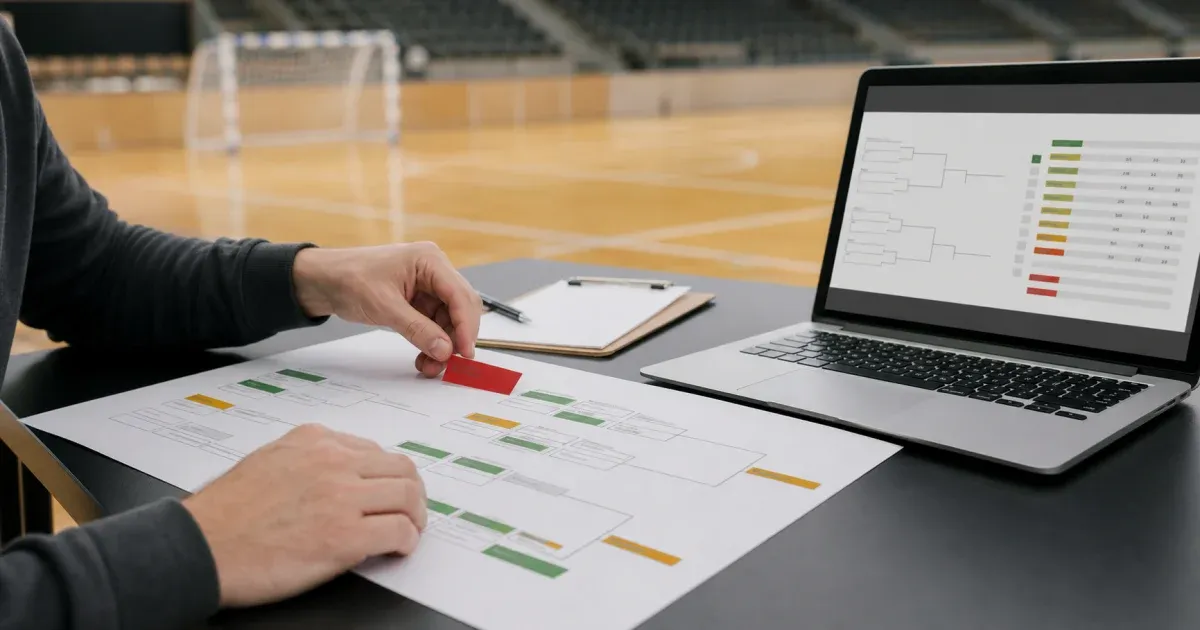
A team withdrawing from a tournament is inconvenient, but it does not have to derail the event.
The important thing is to separate the emotional reaction from the operational decision. Do not immediately delete the team, rebuild every fixture and announce a new format. First establish when the team withdrew, whether it has played any matches, what your published rules say and how much time remains before the next fixture.
Then make one decision that you can explain to every affected team.
This guide covers what to do when a team withdraws before the tournament, after the schedule has been published and partway through the competition. It also explains how to protect standings, refunds and trust when the rules do not give you a neat answer.
First, record the withdrawal properly
Ask the team representative to confirm the withdrawal in writing, even if the original message arrived as a phone call or a chat message. Record:
- the team name and contact person;
- the date and time the withdrawal was received;
- the reason, if the team chooses to provide one;
- whether the team has played any matches;
- whether it owes money, equipment or paperwork; and
- whether the organiser has already incurred costs on its behalf.
This is not about interrogating a team that has had to pull out. It gives you a reliable audit trail when you explain a refund, change a fixture or answer another organiser's question later.
Change the team to a clear status such as withdrawn rather than erasing it from every record. A withdrawn entry may still be relevant to registration payments, communications, disciplinary decisions and the event report. Publicly, you can hide cancelled fixtures or mark them as withdrawn once the competition policy is settled.
The four questions that determine the right response
Before changing the schedule, answer these questions:
- Has the tournament started? A withdrawal before the first kick-off is much easier to manage than one after results exist.
- Has the team played any matches? This is the key question for standings and tie-breakers.
- What format are you running? A knockout bracket, a full round-robin and a group stage create different problems.
- What did the published rules promise? Your registration terms and competition rules should guide the decision, not whichever solution feels easiest in the moment.
If the rules are silent, choose the option that creates the fewest unfair advantages, document why you chose it and apply it consistently to every team in the same situation.
For a useful overview of how each format behaves under scheduling pressure, see our guide to round-robin, knockout and group-stage tournaments.
If a team withdraws before fixtures are published
This is the simplest case. You normally have three options.
Replace the team from a waiting list
A replacement is sensible when there is enough time to verify eligibility, collect payment and publish a stable schedule. Contact teams in the order they joined the waiting list, and give the replacement the same entry requirements as everyone else.
Do not choose a replacement simply because it is nearby or familiar. Check age group, competition level, registration documents, squad limits and any other eligibility condition that applied to the original teams.
If the replacement enters after the draw has been made, consider whether it is genuinely fair to insert it. A late entrant should not receive a materially easier group or a different rest pattern because the organiser is trying to avoid an empty slot.
Run the tournament with one fewer team
For a small event, removing one team may be cleaner than rushing in an unsuitable replacement. Recalculate the format and schedule before communicating the change.
In a single round-robin, the number of matches changes from:
N × (N − 1) ÷ 2
to:
(N − 1) × (N − 2) ÷ 2
That means the withdrawal removes N − 1 matches. In a knockout tournament, it may create a bye or require a preliminary-round adjustment. In a group stage, it may leave uneven groups that need to be redrawn.
Keep the format and schedule a bye
Sometimes the venue, officials and published timetable make a redraw more disruptive than a bye. If you do this, make the bye explicit. Teams should know whether it means rest, automatic advancement, a recorded win or simply an unused time slot.
There is no universally fair meaning for a bye. Define it in the rules before the event, or explain the exceptional decision clearly before play begins.
If the smaller field creates an empty bracket position, our guide to how tournament byes work explains the calculation, seeding order and difference between a bye and a walkover.
If the schedule has been published but play has not started
At this point, teams may already have arranged travel, shared fixture screenshots and planned around specific kick-off times. A silent redraw creates avoidable confusion.
Use this order of operations:
- freeze the old schedule while you decide;
- determine whether a replacement can meet the same eligibility and timing requirements;
- choose between a replacement, a redraw or a bye;
- update the fixtures, rules notice and team communications together; and
- publish one new source of truth and tell teams to ignore earlier screenshots.
If a team has already paid, apply the refund policy that was published at registration. If there was no policy, distinguish between the entry fee and costs already committed on the team's behalf. A clear partial refund with an explanation is usually easier to defend than an unexplained refusal or an improvised promise to everyone.
For larger events, include a short change note: what changed, why it changed, which fixtures are affected and when the new version takes effect. Keep the wording factual and avoid sharing private details about why a team withdrew.
If a team withdraws after the tournament has started
This is where organisers can accidentally change the competition for teams that have already played. Do not solve it by deleting every result without checking the format and the rules.
Knockout tournaments
If the withdrawing team has not played its next knockout match, the usual practical choices are to award the tie to its opponent or use a replacement only if your rules allow one and the replacement can be introduced fairly.
If the team withdraws after winning an earlier round, the next question is whether the previous result remains valid. In most grassroots events, changing a completed result after the fact can be more disruptive than advancing the opponent with a clearly recorded withdrawal. The governing competition rules may require something different, so check them before making a disciplinary or eligibility decision.
Do not quietly move another team into the vacant place if that team has already been eliminated. That changes the meaning of the matches already played and can create a second dispute.
Round-robin tournaments
A withdrawal from a round-robin affects both completed and unplayed pairings. Common policies include:
- keeping the team's completed results and awarding a defined result for its remaining matches;
- cancelling all of the withdrawing team's results; or
- recording a standard walkover for every affected match.
Each option has consequences. Keeping completed results can preserve what happened on the pitch but may benefit teams that played the withdrawn team early. Removing every result treats the withdrawn team as though it never took part but can overturn matches that teams prepared and played in good faith. A standard result is simple to administer but may affect goal difference, sets, points or other tie-breakers.
There is no single answer that works for every competition. The fairest policy is the one stated before the tournament and applied without looking at which teams gain or lose from the table. If you must decide during the event, write down the rationale and publish it before the next affected match.
For a newly rebuilt schedule with an odd number of active teams, see how round-robin byes are rotated. That rotation solves future rest rounds; it does not decide what to do with results already played by the withdrawn team.
Group stage followed by knockout
A group withdrawal can change qualification in two ways: it changes the remaining group fixtures and it can change how many teams qualify. Decide those separately.
First settle the results policy for the withdrawn team's matches. Then check whether the qualification rule still works with the revised number of teams. You may need to keep the number of qualifiers fixed, adjust the best-runner-up calculation or redraw the knockout stage if the rules permit it.
Avoid inventing a new tie-breaker halfway through the group. If points, goal difference, head-to-head results or another measure were published, keep using that hierarchy unless every affected team agrees to a lawful change.
Should you accept a replacement team after play begins?
Usually, no. A replacement that joins after some teams have already played can have a different rest schedule, different information about opponents and no equivalent chance to earn earlier results. It can also create a difficult question: should the replacement inherit the withdrawn team's results, start on zero points or play fewer matches?
A replacement can be reasonable in a carefully defined competition where the rules allow it, the team is introduced before any affected round and all teams retain an equivalent opportunity. It is rarely a good emergency fix once a group or league is underway.
If the replacement would make the table harder to explain than a bye or a reduced field, choose the simpler competition and communicate the change.
Handle refunds and costs consistently
A withdrawal policy should answer three separate questions:
- Is the entry fee refundable before a deadline?
- What happens after the draw or fixtures are published?
- What happens after the team has played a match?
The last question may involve committed pitch hire, officials, medals, insurance, food or administration costs. State whether those costs are retained, refundable or transferred to a replacement team. If a deposit is non-refundable, say what it covers.
Do not make a private exception that creates a public fairness problem. If you decide to waive a fee because the withdrawal was caused by an emergency, record that it was an exceptional decision and avoid revealing personal information.
For a broader planning framework, our guide on organising a youth football tournament covers entry policies, budgets, registration and event-day communication.
Communicate the decision in one clear message
Teams do not need a long internal post-mortem. They need to know what changes for them.
A useful notice includes:
Team North has withdrawn from the tournament. The competition will continue with seven teams. Matches involving Team North have been removed, and the revised fixtures are now published here: [current schedule]. The results policy is: [short explanation]. This decision applies from [time/date]. Please use the current schedule rather than earlier screenshots.
Send the update through the same channels used for registration and match information. Update the public fixture page, the organiser's working schedule, referee information, venue notice and any printed material that is still in circulation.
If one team is directly affected by a walkover or advancement, contact it directly as well as posting the general notice. A public update should never be the first time an opponent learns that its match has disappeared.
Keep the public standings understandable
Once the policy is chosen, make the data match the explanation. A fixture should not look like an ordinary completed match if it was cancelled or awarded because of a withdrawal.
Use a consistent label such as withdrawn, cancelled or walkover, and make sure the points and tie-breaker treatment are clear in the rules. If your system displays a standings table, check the table manually after changing the fixtures. Look for:
- teams with the wrong number of played matches;
- goal difference or set difference changed unexpectedly;
- a qualification place changing because of a deleted result;
- duplicate fixtures created by a redraw; and
- old public links or screenshots that still show the retired schedule.
Fixture.cc can give teams one current page for fixtures, results and standings. After deciding the policy, update and share that page rather than asking each team to maintain its own copy of the schedule.
What not to do
Avoid these common reactions:
- Deleting the team without a record. You lose the context for payments, messages and results.
- Changing completed results to improve the table. This undermines trust even when the new table looks tidy.
- Replacing the team with whoever happens to be available. Eligibility and competitive balance still matter.
- Announcing only the new kick-off times. Teams need to know which matches disappeared and how the standings are affected.
- Making a different decision for every affected opponent. Exceptions multiply disputes.
- Waiting until matchday to decide. Even a short written policy is better than a decision made in front of frustrated teams.
Prevent the next withdrawal from becoming a crisis
You cannot prevent every team from dropping out. You can make the consequences predictable.
Add a withdrawal section to the competition rules before registration opens. Include the deadline for a full refund, the treatment of deposits and costs, the latest point at which a replacement may enter, the result policy after play begins and the meaning of a bye or walkover.
Keep a waiting list with eligibility information, not just names and phone numbers. Build a small amount of timetable flexibility into the event. Save the original draw before making changes. Give every schedule a version or publication time. During registration, use a status such as pending, confirmed, paid or withdrawn so the operational record remains useful.
Finally, generate and publish the fixtures only after the entry deadline where possible. A stable registration list reduces redraws, and a current public fixture page makes an unavoidable change much easier for everyone to follow.
A calm withdrawal checklist
When a team withdraws, use this sequence:
- confirm the withdrawal and record the time;
- check whether the team has played;
- read the published withdrawal and refund rules;
- identify the format-specific impact;
- decide on a replacement, redraw, bye, walkover or result policy;
- check standings and tie-breakers;
- update the schedule and mark the old version obsolete;
- contact directly affected teams;
- publish one concise explanation; and
- record the decision for the event report.
The goal is not to make the withdrawal invisible. It is to make the tournament's response consistent, explainable and fair to the teams that remain.
Frequently asked questions
Should a team get a refund if it withdraws from a tournament?
That depends on the refund policy published at registration and on costs already committed. Apply the same deadline and cost rules consistently. If there was no clear policy, explain any decision in writing and distinguish the entry fee from non-refundable expenses.
What happens to results when a team withdraws from a round-robin?
Possible approaches include keeping completed results, cancelling all of the team's results or recording a defined result for affected matches. The correct choice depends on the competition rules and format. Choose one policy, document it and apply it consistently rather than changing the table match by match.
Can I replace a team after the tournament has started?
Only if the rules allow it and the replacement can enter without giving an unfair advantage or creating unequal matches. In most competitions, a bye or reduced field is easier to administer fairly once play has begun.
Does a withdrawal automatically mean the opponent wins?
Not always. In a knockout, awarding the tie may be practical, but the published rules or governing body may require a specific procedure. In a league or group, a withdrawal normally needs a wider results and standings decision.
Should I delete the withdrawn team from the fixture page?
Keep an internal record, but mark the public fixtures clearly as withdrawn, cancelled or walkover according to the policy. Do not leave teams guessing whether a missing fixture was a technical error or a competition decision.
How can I make future withdrawals easier to manage?
Publish a withdrawal and refund policy, maintain an eligible waiting list, set a registration deadline, keep schedule versions and use one current public page for fixtures and standings. These small controls prevent one late message from becoming a tournament-wide mystery.
Once the entries are final, you can create and publish the fixtures with a schedule that everyone can access from the same link.
Our editorial process
How we research and review our content
Our research process depends on the subject. We select the sources that can answer the article's actual question, cross-check important claims, and distinguish documented facts from editorial judgement.
- Practical context and direct experience
- We draw on our team's experience of sports, equipment, and organising competitions when it is relevant. Direct use informs our judgement only where it actually occurred; we do not present research as hands-on testing.
- Primary and authoritative sources
- Depending on the topic, we consult governing-body rules, official guidance, manufacturer specifications and manuals, standards, technical documentation, and other first-party sources.
- Independent and public evidence
- For comparisons and recommendations, we may examine specialist reviews, public customer feedback, retailer information, ratings, and recurring real-world issues. We cross-check patterns and never treat one comment or score as proof.
- Editorial review and updates
- We compare the available evidence with the reader's likely needs, explain uncertainty and trade-offs, verify important claims, and update content when rules, products, features, or source information change.
Share this article
Send this guide to someone who might find it useful.

About the author
Fixture.cc editorial team
The Fixture.cc editorial team is a global group of sports enthusiasts creating practical, trustworthy guides for sports fans, competition organisers, coaches, and teachers.
View editorial profileKeep reading
Related articles
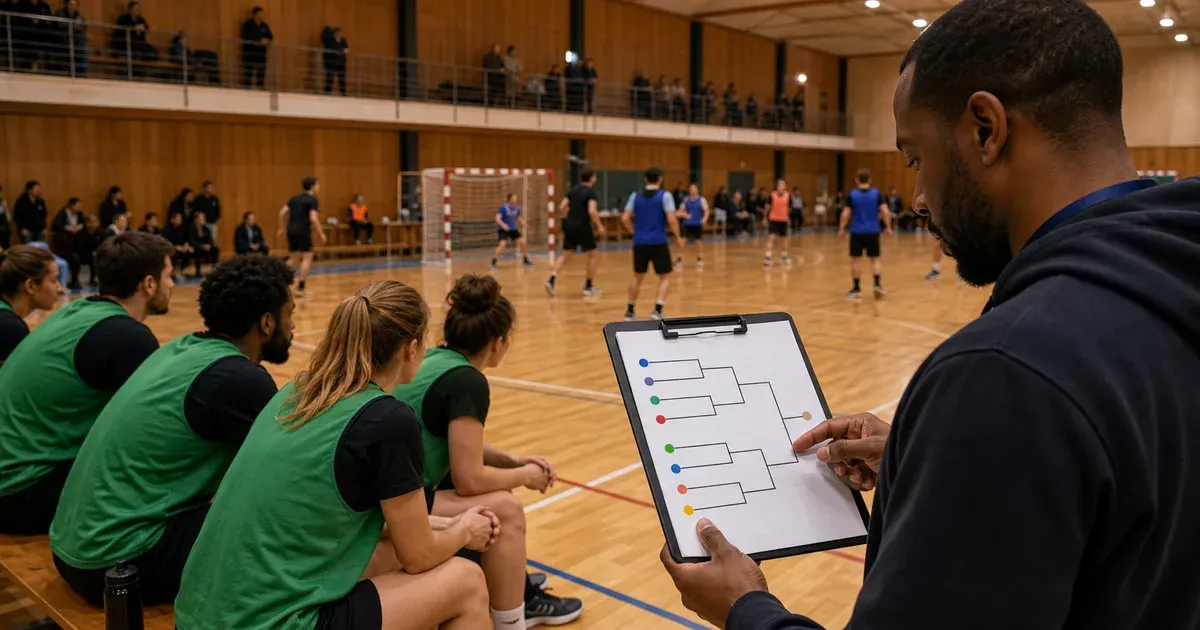
What Is a Bye in Sports? Rules, Examples and Calculation
Learn what a bye means in knockout, round-robin and Swiss tournaments, how many byes a bracket needs, and how to award them fairly.
Best of 3 vs Best of 5: Which Esports Series Format Should You Use?
Bo1, Bo3 or Bo5? How each esports series format changes match count and event length, and how to pick the right one for your bracket or league.
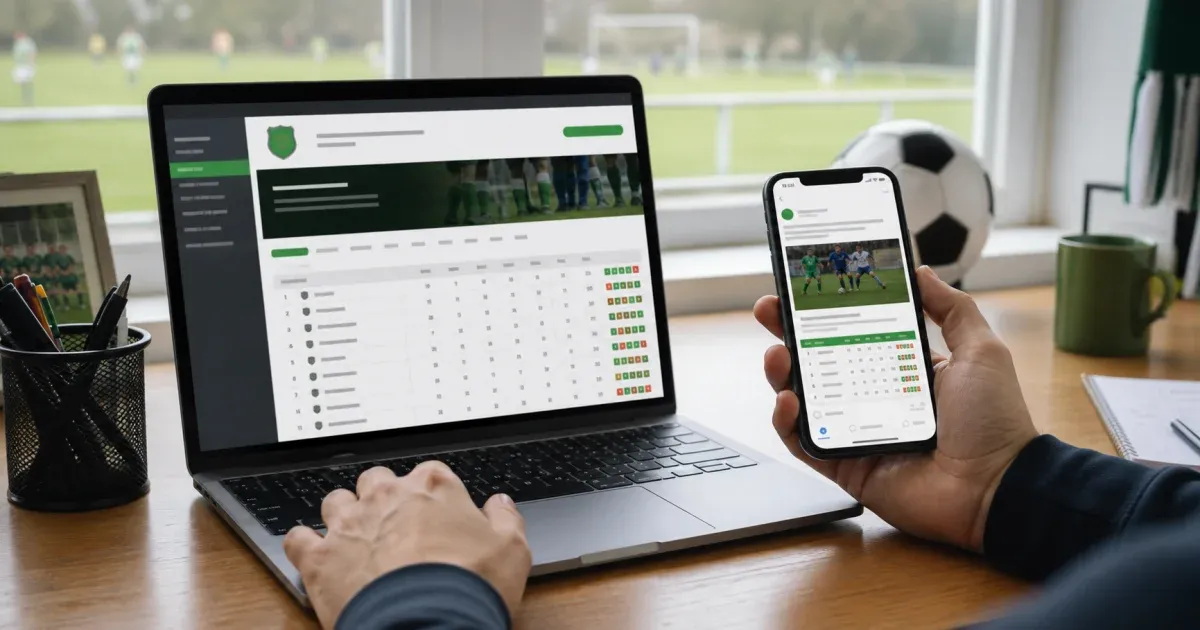
How to Embed a Live League Table on Your Website or Facebook Group
Add a live, self-updating league table to your club website with one embed code, and the right way to share it on Facebook, where iframes don't work.